Even though I’m a DIY expert, I will admit that there are a few projects that I wouldn’t take on alone. Tiling my floors is one of those projects. Luckily, my husband is a contractor and loves to teach me new things. A few weekends ago, he walked me through re-tiling our entryway, laundry room, and coat closet.
I helped out more than he thought I would. I laid the thinset down, placed the tiles, and did the grout. Oh, and I demolished all of the tile. No big deal.
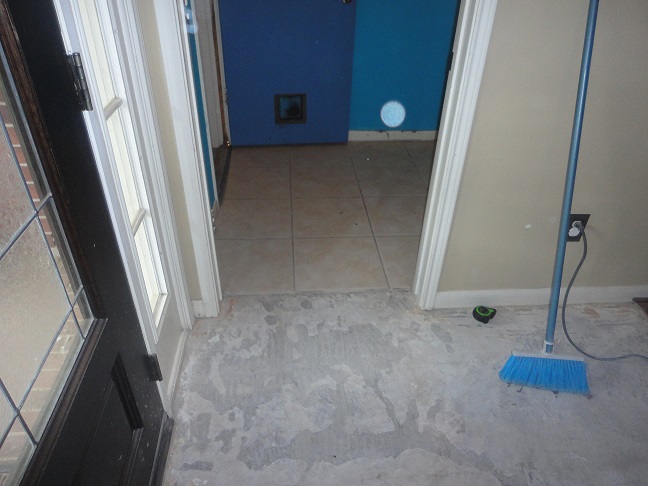
It ended up being a fun project, and I’m so happy with how the new tile turned out. There’s something so gratifying about learning how to do home improvements. So I’m going to share my experience with you, and let you know that it’s not impossible. With the right tools, you can take on a project that might scare you at first. Keep reading to learn how to properly remove a tile floor.
Materials needed:
Safety goggles
*Sledge hammer (or electric chipping hammer)
Hand or electric scraper
Broom or shop vacuum
Floor leveling compound (optional)
*If you’re going to be ripping out tile from a large room, you should probably rent the necessary power tools from a home improvement store-otherwise, you’ll be on your hands and knees with a sledge hammer all day long. An electric hammer will get the job done in about an hour.
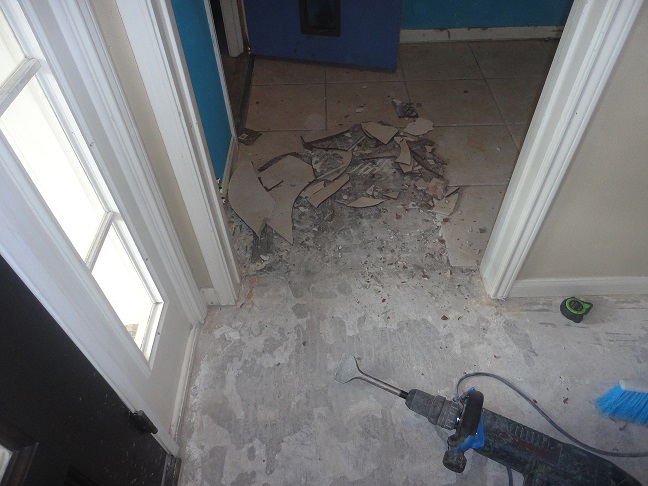
1. Go for the grout first. Wearing your safety goggles, place the chisel vertically into the joint between the tiles, and tilt it at a 60-degree angle. If you have an electric demolition hammer, don’t worry about the angle of the chisel-the machine will do its job.
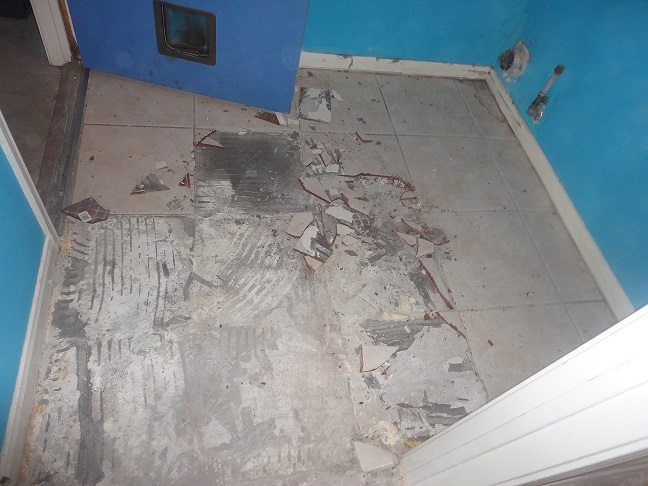
If a tile breaks loose, get under it and chisel away until it’s completely ripped up. Work from the middle of the floor, moving towards the walls as you go.
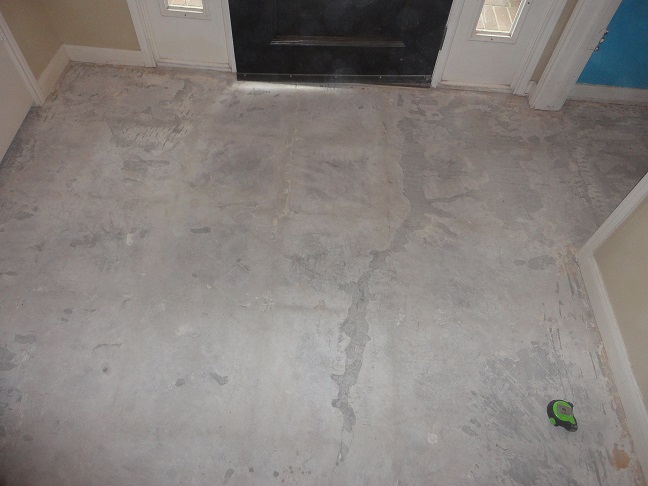
2. Scrape up the broken tile. When you’re done with the hammer, there will be pieces of tile and floor adhesive left behind. Use your hand scraper (again, an electric option would yield faster results) and dig out all of the excess tile and adhesive.
3. Clean the area. Use a broom or a small vacuum to clean up anything that was left behind.
4. Make sure that the floor is level. Scrape away any bumps or protrusions; if you don’t, it will make the tile job uneven. If there are any holes or gouges, fill them in with floor compound. The goal is to make the surface as smooth and level as possible.