When you are choosing a new garage door for your home, one of the most important choices you will make is the material for the door. Garage doors come in a wide range of materials, but the most basic decision comes down to a choice between wood garage doors and metal garage doors. Both have benefits and drawbacks that you will need to consider as you make this choice.
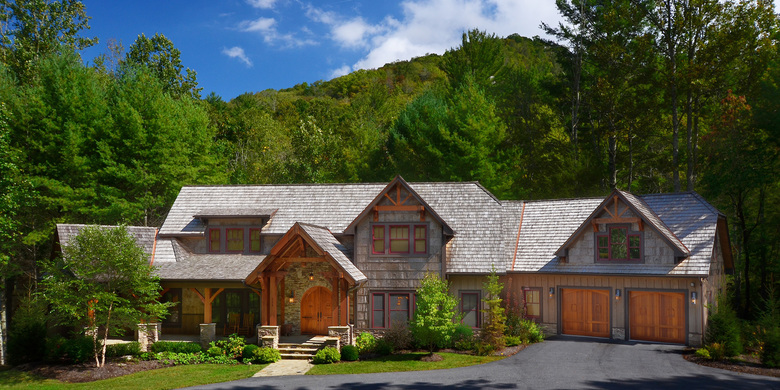
Wood – Worth the Investment?
If you take a drive through an affluent neighborhood in your town, you will likely notice that many of the garage doors appear to be wood. Whether they are actually wood or metal finished to look like wood may be difficult to determine, but what this does show is that wood gives the home a luxurious appearance.
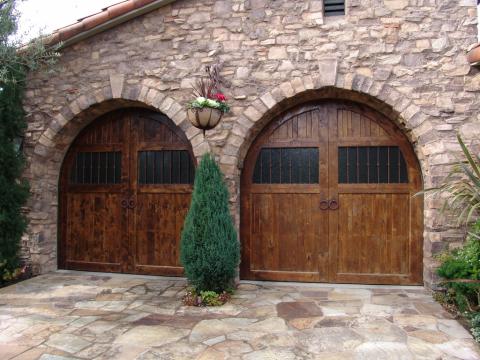
If your main consideration when choosing a garage door is aesthetics, then wood is an excellent option. You will find that the stain of the wood and its natural grain adds character to your home. As a bonus, wood garage doors are better insulators than pan metal doors, so the garage will be slightly more energy efficient.
With all of these benefits, what’s the downside to choosing wood? For most homes, wood is a more expensive door option than most metals. You will pay more for the character it adds. Also, you will have to spend some time maintaining the doors. Wood doors will weather over time, and you will need to sand and stain them regularly to keep them looking great. With time the joints on these doors will flex as you use them, which will require additional repair and maintenance.
All in all, for an aesthetically pleasing look when budget is not a main concern, wood is the choice.
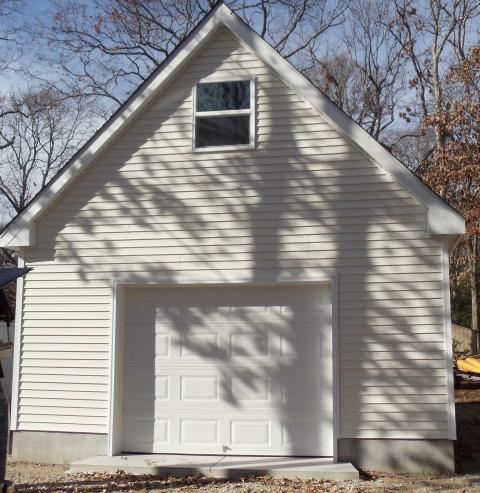
Saving Money with Metal
For the budget-conscious homeowner, metal is typically the more cost-effective choice. While there are a great variety of metals used in garage doors, and the cost will vary from one material to the next, it is almost always cheaper than installing a wood door. By far, steel is the most common metal material in garage doors.
Metal tends to be more durable than wood. If you choose a metal door, you will not have to sand and re-finish it every couple of years. While metal doors sometimes need a new coat of paint, they do not need this on a yearly or every-two-years basis. The doors also will not warp or flex in the way that wood doors do, unless they are damaged. That said, steel doors show dents and scrapes more readily than wood, which could be a problem if you have an active family.
With the money savings of a metal door, you will sacrifice some of the benefits of wood doors. While you can fabricate the look of wood, a metal door is not going to look as elegant and refined. Also, pan metal doors do not insulate as well as wood, so you will not get the energy efficiency benefit you get with wood. Insulated steel garage doors are an excellent choice, however, they come at an additional cost.
How to Make the Choice
When making the choice between wood and metal, first consider how visible your garage doors are. If they are on the front of the house, then aesthetics may be an important part of the puzzle. If they are not visible from the street, you may not want to pay extra for wood.
Next, consider the value of the added insulation. If your garage is heated, for instance, the added insulation on the wood door or insulated steel door is a valuable asset. If the garage is not heated, you may find that you can get by with a pan metal door without seeing too much of a change on your energy bills.
Also consider how much time you have to keep your garage doors maintained. Great-looking wood doors are not going to look so great in a few years if you don’t have the time to maintain them. In this case, the added investment is wasted.
Finally, look at your budget. The bottom line may be a decision based on cost.
In the end, both metal and wood are excellent materials for garage doors. Make the decision that makes the most sense for your family and your home, and then enjoy the benefits of a newly installed garage door!
Author bio: Justin White is the marketing director for Garage Door Repair, LLC, Living just outside of Washington DC, Justin is extremely resourceful with resolutions on common garage door problems specific to the DC region, including Maryland, Virginia and Pennsylvania.