When temperatures rise and humidity is added into the mix, many of us rely on central air conditioning to cool down our homes. Not only does an air conditioner provide adequate comfort, but it also helps to keep homes and families safe, especially elderly adults, children, and pets. Staying cool throughout the summer means more than having an air conditioner alone; it means keeping your unit well-maintained for the best performance, efficiency, and safety it can offer, for a consistently cool home no matter how hot it gets outside.
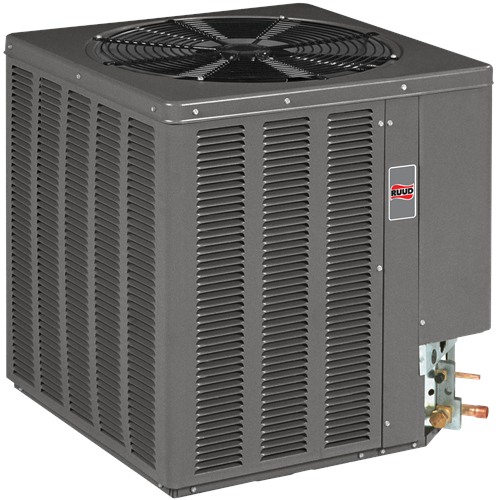
Image Credit: acsheatair.com
Here are some ways to ensure your air conditioner will work when and how it needs to:
Preventative Maintenance/Cleaning
Routine maintenance, including cleaning and air filter replacement, help to keep your air conditioning unit in good condition and able to operate over a longer period of time. When you do any spring cleaning, don’t forget about your air conditioner, too. Keeping your AC clean can start in the fall or winter when it’s time to cover the outdoor condenser unit to protect it from the elements. Then, when winter weather subsides, you’ll want to start clearing away any debris from on top of, inside, or around the condenser as well as cleaning internal components. This should be a careful process as many parts of an AC are fragile and complex. If you’re not comfortable completing the cleaning yourself, call an HVAC professional.
Safety Inspection
Before you fire up your air conditioner for the season, even if you have kept up with maintenance, it’s a good idea to schedule a safety check from an HVAC pro who can ensure your system is safe to start up and ready to cool down. A comprehensive inspection should include the following areas:
- Wiring and power terminals: Check for corrosion or shortages, which can be caused by exposure to the elements during winter or from animal interference.
- Freon: Check for refrigerant levels used for cooling. Without proper levels, your air conditioner won’t be able to cool down properly and may become seriously damaged.
- All controls: Check controls such as the capacitor, temperature sensor, thermostat communication, compressor, and fan blades to ensure they are all free of debris. If buildup exists, an AC essentially can’t “breathe” or work properly.
- Drains: Check for proper condensation draining. Condensation occurs due to the temperature difference between the inside and outside of your home. If the condensation can’t flow or drain correctly, many problems can arise, including electrical issues, rust, corrosion, and shortages.
- Filter: Check that the air filter is clean; a dirty air filter restricts airflow and causes the unit to work harder to the point where it is more likely to break down. Filters should be changed every 2 to 3 months for maximum efficiency, clean indoor air, and better overall cooling performance.
When you get a hold on AC maintenance, make sure everything is debris-free, change your air filter regularly, and schedule annual safety inspections, you help to prevent breakdown, repair costs, and the general inconvenience of having a broken air conditioner in the middle of summer. Then you can rely on your central air to keep you safe, cool, and comfortable all season.
This post was contributed by Gillece Services, for more tips, be sure to connect with Gillece on Twitter.
One thought on “The Gillece Guide to Reliable Home Cooling this Summer”
Comments are closed.