The expectation that a dropping temperature is going to be accompanied by climbing power bills seems to be a pretty much universal and an inevitable one. How many of us suffer shivery flashbacks to parents insisting that we leave the thermostat alone and simply put on a sweater if we’re cold? Well, by taking advantage of both technological advancement and more timeless common sense conventions, you may find yourself saving enough each month without using a sweater.
Doors, Walls and Windows
It may sound like a no-brainer, but a key to keeping your heat energy expenditure down is ensuring that the heat you’re producing remains in-house. That means checking common points of heat-escape. Close up any drafts, or suspected drafts around windows with caulk and if any windows seem ill-fitting be sure to either replace or reposition them to maintain a seal. An investment in cellular or “honeycomb” shades can make a surprising difference in the retention of heat in the winter (and coolness in the summer). Double-paned windows are a little bit more labor-intensive (and probably cost-intensive) but can also make a huge difference.
A low-cost, low-impact and often effective heat-trapping contrivance is the draft stopper. They come in a number of shapes, sizes, materials and price ranges. Finding a decent, inexpensive one and kicking it into place at the base of a drafty door is a must if your door isn’t cooperating with your thermostat. For less obvious sources of door-draft, consider weather stripping. According to the people who are experts on home insulation; weather stripping should be replaced every two years.
Fans, Thermostats and Insulation
While in-building fans are generally only considered as room-cooling apparatuses, a ceiling fan can be employed to keep its room warmer too. Most ceiling fans are both set to the default downdraft setting and can be switched to reverse direction for an updraft. The updraft setting draws the room’s cooler lower air with the warmer thermal layer snugged against the ceiling (heat rising and all,) and then redistributes that warmed air back into the room.
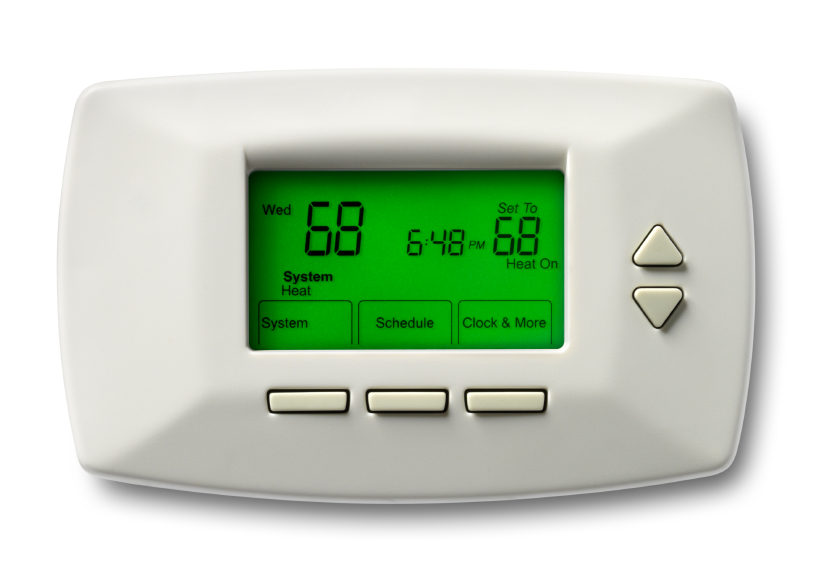
The thermostat and insulation are two of the less DIY focused projects here but they can also prove the two most important. If you haven’t looked into a “smart” thermostat yet, do so. They are programmable versions of the old standby that waste less energy (and resources and money) heating uninhabited rooms and employing more gradual temperature control. A smart thermostat can, and probably will, save you thousands of dollars over the course of its tenure in your home.
You’re probably familiar with the importance of a well-insulated home but the importance of a well-insulated attic or attic-like-space can’t be overstated. 75% of heat loss in the winter is streaming right out through that space, meaning that decent padding up there can save you a bundle.
Maintaining Your HVAC System
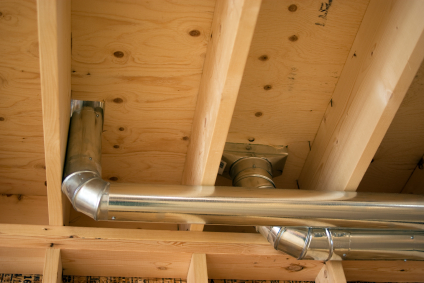
If you’re not sure exactly what sort of heating system you have, find out. The maintenance requirements differ from system to system, with varying areas of concern. If you have forced air or any kind of furnace-driven setup, check the ductwork for clogs or buildup and (this is a biggie,) remember to check its filter. A clogged furnace filter can really hurt efficiency. They should be cleaned every couple of months and changed every two or three years. For hydronic or boiler heating, you’ll be on the lookout for leaks, corrosion and problems with pipes rather than furnace filters and return air grilles.
Regardless of your HVAC particulars, it can never hurt to call in an expert from time to time. Also it’s never a bad idea to stay educated about your house and heating, do research, keep on top of maintenance and sometimes… there’s nothing wrong with throwing on a sweater.
Want real help from real people in real time? Speak with an expert now.
Ruben Keogh is a retired plumber, amateur landscaper and sprinklerfitter who discovered his true calling after graduating from apprentice to journeyman blogger. When he acquires enough experience, wit and insight to become a master blogger, he’ll let you know. Meanwhile, Ruben productively spends his time dreaming about fishing in Costa Rica, surf and turf grilling and his lovely wife Gina (not necessarily in that order, or course.)