No matter what type of AC unit you have, it’s likely that you spend a good portion of your household budget on energy costs. Did you know that there are several ways you can save hundreds of dollars each year, while still running your AC and living in comfort? Learn these tricks and save.
7 Ways You Can Save Hundreds on AC Costs
No matter what type of AC unit you currently use, you can save money on energy costs. Follow these tips to maximize your savings.
Upgrade Your Unit
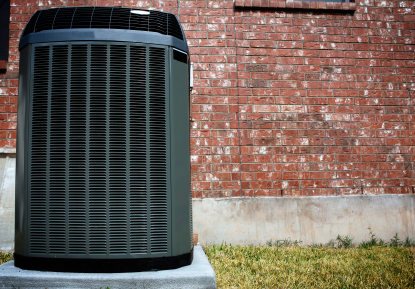
While purchasing a new unit will involve an initial outlay of money, putting in a new unit is one of the fastest and easiest ways to save money each year. If your current AC unit is 10 or more years old, a newer unit can save you 40% to 60% each month on your energy bills, which translates into big savings. New AC units pay for themselves within just 4 to 5 years, and have a life expectancy of 10 to 12 years.
To help maximize savings, look for units that are Energy Star rated (meaning they meet or exceed recommended energy ratings), and look for a unit with a high SEER rating. Purchasing a unit with a SEER rating that is just 1 point higher than your current unit will translate into an additional savings of 10% each month.
Install a Programmable Thermostat
If your thermostat is old, switching it to a programmable model is a fairly easy and inexpensive way to help lower your AC costs each month. Programmable thermostats let you lower or raise the temperature automatically, which means you can program it to shut off during times you aren’t at home.
Divide Your Home into Zones
If your house is currently one zone (meaning there is one thermostat for the whole home and the AC runs everywhere evenly), you could be wasting a lot of energy cooling rooms you hardly use. If your home has two or more levels, or has areas that aren’t frequently used, designating zones will help lower your monthly costs. With additional zones, you can simply shut off or lower the AC in the zones you aren’t using so that your unit works less and expends less energy.
Fix Your Ductwork
Leaky ducts can account for as much as a 30% drop in energy efficiency from your central AC unit. Shine a flashlight through your ducts while a helper stands outside them. If they can spot your flashlight, your ducts could be losing energy. Have them repaired.
Get Regular Maintenance
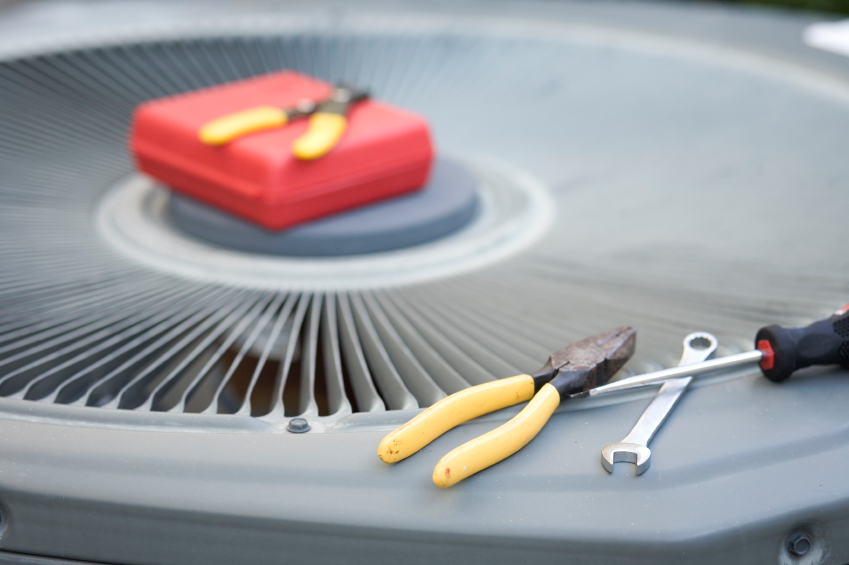
AC units are like any other appliance; they need regular maintenance to keep working properly. If they get dirty, clogged, or have mechanical issues, they can draw more energy, which translates to higher costs. Have your unit serviced regularly to keep it running efficiently.
Stop Home Air Leaks
Your air conditioner might be working well, but if your home is letting outside air in, it might not be as effective and efficient as it can be. Make sure your home is fully insulated, and that your windows and doors aren’t letting air in. Install weather stripping around leaky windows, and put a sweep seal across the bottom of your doors. A door sweep alone can decrease the flow of outside air into a home by 11 percent.
Change Your Air Filters Regularly
Most air conditioning units do more than just cool the air; they also filter air to remove dust, allergens, and airborne pollutants. If the filter that collects these particles becomes dirty or clogged, it makes your air conditioner work harder to keep air flowing properly. This in turn raises the amount of energy it requires, and that translates into higher energy bills each month. Replace your filter regularly to help prevent these issues and ensure your air stays clean.
Keep Cool and Comfortable
You need your AC unit to keep your home cool and comfortable. Make sure it’s keeping your wallet comfortable, too, and save hundreds of dollars each year on your AC costs with these tips.
Stefanie Miles works for Precision Air and Heating, helping educate people about their HVAC, plumbing and home performance needs. Follow Precision Air and Heating on Google Plus.