Every building is impacted by the environment. As houses age they can shift and normal wear and tear also leads to new cracks, drafts and other issues. Short of tearing your home down and building a new one, what are the best ways to weather proof your home? This summary gives you a guide to protecting as best as you can against extreme conditions and also the ongoing impact of ordinary weather patterns.
1. Double or triple glaze glass where possible
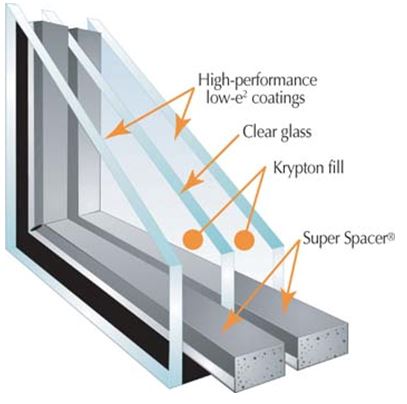
This is not a cheap option but done once and you will notice the benefits for a life time. Double or triple glazing substantially reduces noise and also acts as natural insulation meaning your home is less affected by extreme heat or cold.
2. Window films
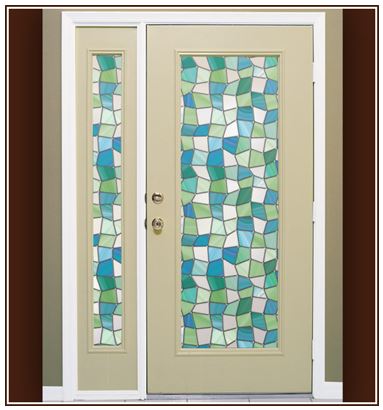
If replacing windows is not an option you can apply window films. This has a similar effect to glazing. Modern technology means that these films can be very effective at keeping in and out and also reducing glare.
3. External blinds
This is especially relevant for areas where weather reaches extreme temperatures in summer. External blinds, shades, awnings or shutters block out sun and heat making your home much more comfortable. Not only can the likes of external canvas awnings protect your windows, and provide your rooms with a much-needed cooling solution in the warm summer months, but they can also be aesthetically pleasing to the eye, making the exterior of your home look more desirable.
4. Check your curtains
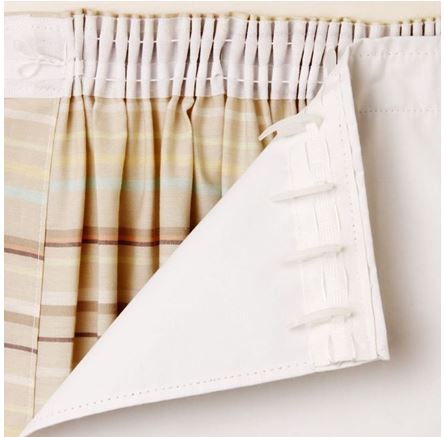
Curtains are also crucial for effective protection – particularly from extreme cold. You can get curtains lined with insulating material or just make sure you purchase good quality fabric suited to the climate where you live.
5. Sealant
Use a sealant foam around window frames and wherever you can see gaps or cracks. You should ensure that you can still open and close and lock all windows where necessary. These products don’t seal the window shut, the foam expands once inside the crack or gap to prevent drafts and water getting inside.
6. Weather stripping
Weather stripping is usually made from rubber or vinyl and can be applied to the tops and sides of doors to help seal drafts. You can do this yourself. It is a fiddly task but not too difficult once you have the right product for your needs.
7. Floor sweeps and sausages
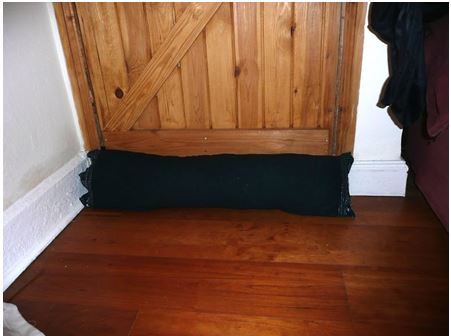
For the bottoms of doors you can attached a floor sweep. Or, for a very inexpensive and completely mobile solution, fabric door sausages are actually very effective at keeping cold air out of individual rooms.
8. Check roof for damage
Cracked tiles, holes in the roof or other damage can let in a lot of unwanted cold and hot air and other elements such as moisture. It is worth checking your roof every 12 months or so to ensure things are in good shape, and repair anything that needs fixing.
9. Ceiling and wall insulation
Ceiling and wall insulation help regulate the temperature of your home. They are an important way to keep heat out during summer and keep it in during winter.
10. Check weatherboards and other external materials
As with the roof, it is worth doing a maintenance check on all external materials. A rotting weatherboard, crack or hole can let in not only the weather but also unwanted pests.
Author Bio: Jeremy works with Five Star Locksmiths (Melbourne). Five Star Locksmiths provide 24 hour locksmith services in Melbourne’s CBD and its suburbs. Jeremy writes content that provides value to the readers.