Whether making improvements to a new home or updating an existing one; adding a fence to an outdoor living space is often considered a high priority project. While defining your homes boundaries with a fence can add both peace of mind as well as visual appeal, there is much planning that needs to be done before you can enjoy the finished product. This post will share a few important guidelines to follow while planning a fence installation.
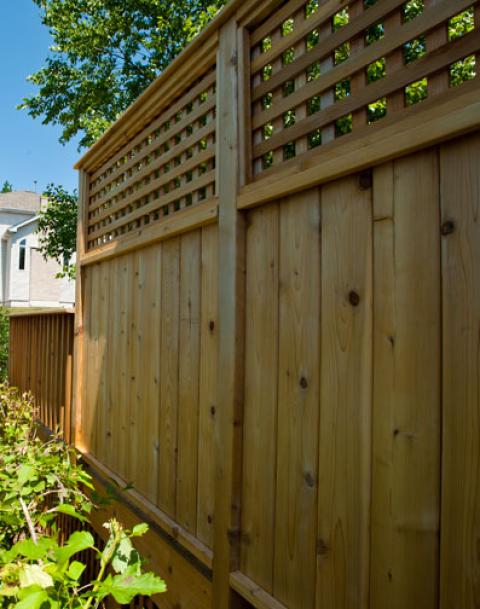
Choose Materials
Today’s homeowner has numerous options when it comes to fencing materials and installation services. Wood, vinyl, aluminum, composite and plastic fence panels are a few of the options available and all offer different benefits and visual impact to an outdoor living space. Once you have factored in the functional requirements of your fence project, such as containing pets and/or providing safety for children, you are ready to add any customizations you may want. Taking time to familiarize yourself with the various options available will allow your fence contractor to help guide you to the exact style you are looking for. If you aren’t exactly sure of what you want but have found a few ideas during an online search be sure to show these examples to your fence contractor and they can provide you with additional ideas and an estimate to have it installed. Keep in mind that professionally installed fences can last 15-20 years so make sure you have found the type of fencing you really like.
Contact a Fence Contractor
Discussing your fencing needs with a professional fence contractor is a great way to ensure you are satisfied with the finished product. A fence contractor acts as an advisor for your fence project and can help you navigate each step from design to finished project. It’s always best to talk to a few contractors and receive estimates from them. Be sure to clarify what material is being used in each estimate so you know you are getting a true comparison.
Also inquire about any warranties provided. A warranty lets you know the fence contractor has taken time not only in selecting proper materials, but that installation has been performed correctly as well.
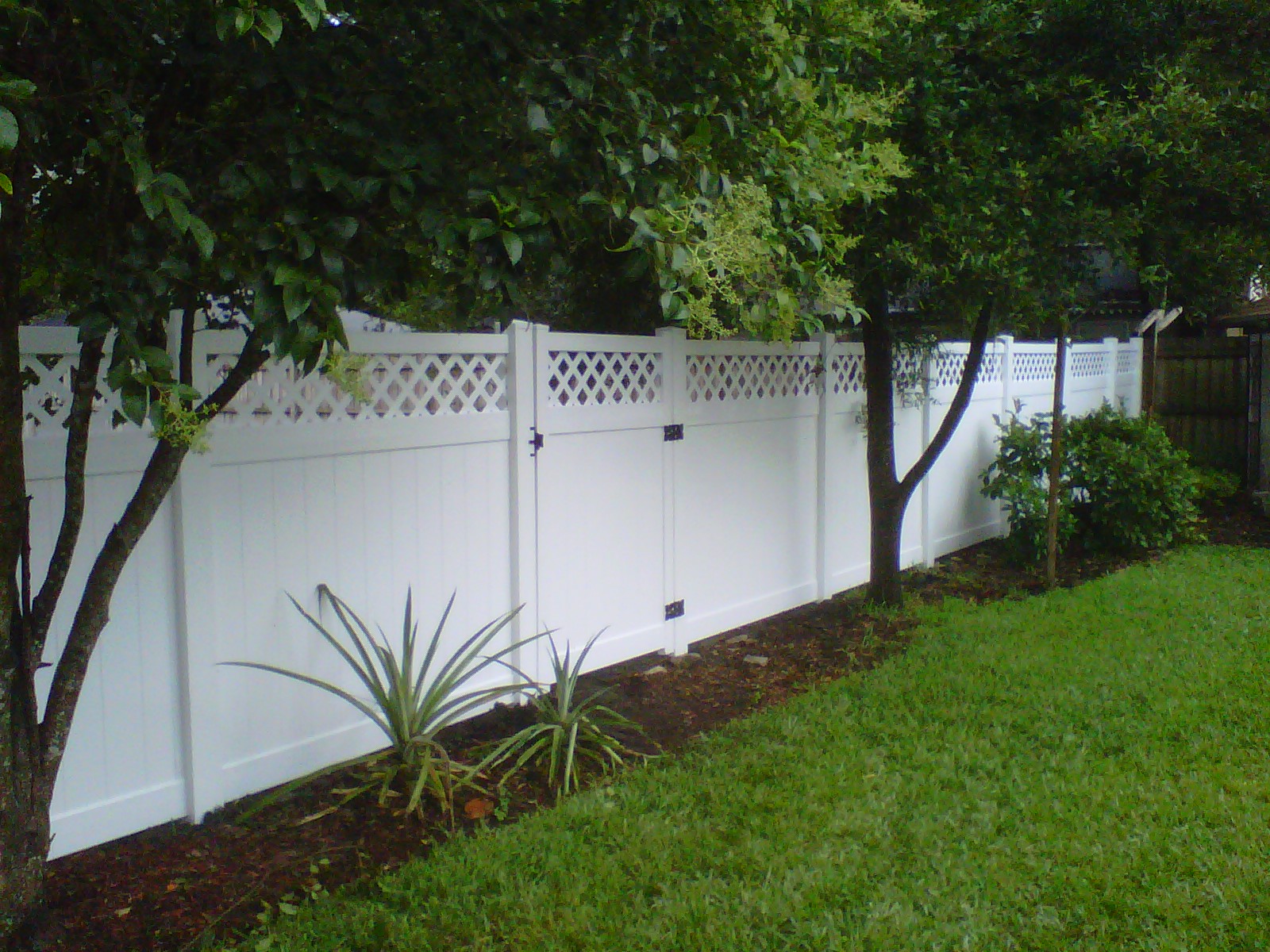
Verify Any Restrictions Regarding Fence Installation In Your Area
This is an often overlooked step, but a critical first in planning your fence installation. It is disheartening to find the style of fence you want only to find out later that local restriction prevents you from installing it. Check on local ordinances to determine if a permit is needed or restrictions exist for certain styles of fencing. Determine if any home owner associations (HOA) restrictions exist. Finally, verify boundaries by looking for existing markers or having a survey done so you know you are installing the fence on your property. Taking time to inform yourself of any fence restriction in your area now will save you a lot of hassle later.
Michael Watkins is owner of The Fence Guy of Louisville specializing in installation, repair, and restoration services for a wide variety of fencing projects. Mike enjoys the design process of helping a customer find exactly what they are looking for in a fence and the enjoyment he sees on a customer’s face when they see the idea come alive after installation has been completed. You can learn more about Mike and The Fence Guy of Louisville by visiting www.thefenceguyoflouisville.com