Ponds are a fantastic addition to the garden but how should you get started? Here are the basics.
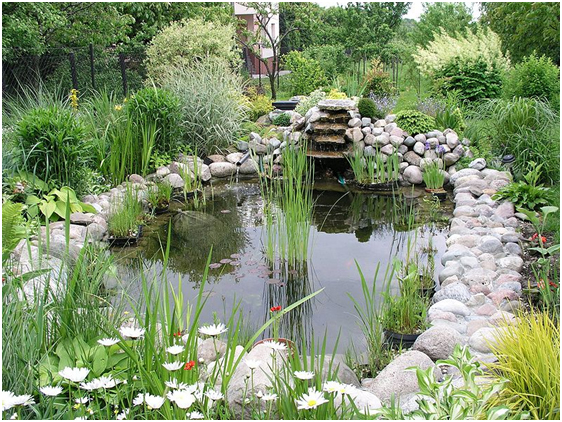
Choose your location
Finding the best spot for your pond is vital. The ideal location would be somewhere that is:
- Sunny.
- Not close to any trees, as to avoid having to clear and unclog fallen leaves.
- Free of power cords that may run underneath the ground.
Mark out and dig
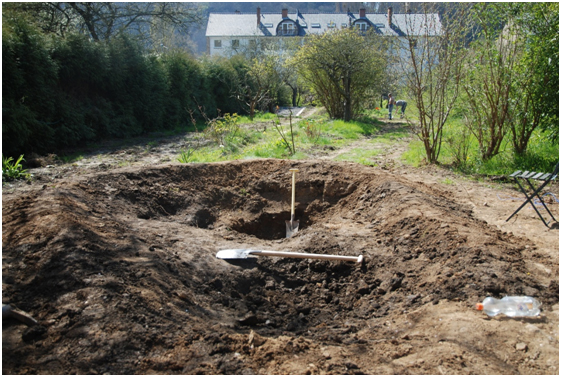
Mark out your pond in the shape that you desire. Then dig 12 inches down throughout the whole plot and a further 18 inches down in a central circle. The middle 18 inch hole is to allow space for hibernating creatures. Also, keep the soil that you’ve dug up so that you can use it later on to create a slope into your pond and cover the liner.
Line your pond
First, lay the underlay, as this covers any sharp objects such as stones. Then lay a PVC or butyl liner on top of the underlay. Leave a foot of excess liner around the edge and hide with the extra soil you have from digging.
Water lilies and wildlife
There’s a huge variety of plants and animals for your new pond. To create a thriving water garden, go for a range of floating plants, grasses, rushes and ornamental shrubs and while introducing some fish to your pond will mean you instantly have wildlife, consider whether you want a wildlife pond or an ornamental pond.
For more useful information on digging a garden pond and sustainable gardening check out RHS.org.uk.
Author Bio: This guest post was written by Ricky Peterson from Swallow Aquatics. Ricky is a garden enthusiast and an expert in aquatics – namely, garden ponds. You can learn more about pond building at the Swallow Aquatics website, thanks for reading.