LED lighting, also known as light emitting diodes, is a recent technological advancement and to many people, represent the future of lighting. These small and solid light bulbs offer a number of advantages over both the traditional incandescent and even newer fluorescent light bulbs. Some of these advantages include their durability, longevity, efficient use of energy, reduced maintenance cost and higher safety.
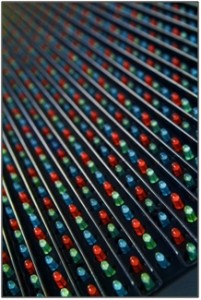 Image courtesy of Pixomar/FreeDigitalPhotos.net

Durability
We are all familiar with the traditional incandescent light bulb and how easy it breaks. The same is true with a fluorescent light. Drop either of these products and they will break, causing a big mess and a safety hazard. On the other hand, LED lights are much sturdier. The heart of an LED light is a small chip made from semiconductor material which is then encapsulated in an epoxy resin enclosure. In other words, if this type of light is dropped, it will not break!
Another difference between the LED light and the other types is that there is nothing actually inside the bulb itself. An incandescent light has filament and glass, both of which are very fragile materials. A fluorescent light is really a gas discharge lamp that uses electricity to ‘excite’ mercury vapor. This type of lighting is also encased in a very fragile material which will break quite easily.
Longevity
The LED light has a lifespan of up to 60,000 hours. Compare this to 6,000 hours for a fluorescent light and 1,500 hours for the old incandescent bulb. That means that an LED light will last for over 7 years of almost continuous use before needing a replacement. This is 10 times as long as the fluorescent light and over 133 times as long as traditional incandescent light bulb.
Energy Efficiency
The traditional incandescent light bulb has long been recognized as having an incredibly inefficient use of energy. The filament actually can reach temperatures of up to 2400 degrees Fahrenheit, with over 90% of that energy escaping into the atmosphere. Fluorescent lighting is certainly more energy efficient than the incandescent bulb, however it cannot compete on equal footing with the LED.
LED lights are very energy efficient, using 90% less power than an incandescent bulb. They use about half as much wattage as fluorescent lighting. In fact, over their entire lifespan, the LED light will use approximately 340 kilowatt hours of electricity, while the fluorescent will consume around 840.
Lower Maintenance Cost
While the actual initial cost of the LED lighting is higher than both the incandescent and the fluorescent, this is significantly reduced when the lifespan is taken into consideration. Since these lights will last over 7 years without needing a replacement, the actual cost over time is considerably less than either of the other two options.
Higher Safety
One of the worst factors of the old incandescent light bulbs has always been their safety. They simply generate a huge amount of heat. If someone were to touch them (a child, for example), it is possible to sustain injury. Over 90% of the energy that an incandescent bulb generates is actually expelled into the environment in the form of heat. Safety may even be one of the reasons why many governments have actually banned the continued production of incandescent lighting.
Since LED lights generate virtually no heat they can be left on continuously. They can be touched and handled quite easily. Fluorescent lighting also produces heat, but not nearly as much as the incandescent. Unfortunately, they also contain a small amount of mercury and can break easier than an LED. This can be quite a safety hazard, especially of the pieces are not disposed of properly.
Unique Benefits
LED lights are made from non-toxic materials. They are recyclable and considered to be a green product. Another interesting benefit is that they come in a number of different colors, which can be mixed and matched and blended together, producing all kinds of interesting color combinations.
There is no longer any question that the LED light has significant advantages over both the fluorescent and incandescent light bulbs. They are more durable, made from better materials and much safer. Additionally, they make much more efficient use of energy and can even be recycled after their long life cycle has come to its end. They are also used in a wide range of lighting applications and finally, the cost investment is much more favorable than other types of lighting.
Author Bio – This is a guest post by Mark Bowman from Inmark Enterprises specializing in manufacturing of heavy duty industrial lighting. If you’re on the lookout for industrial LED lights, do get in touch with Inmark Enterprises today.