These days, “green landscaping” doesn’t just mean a lusher lawn. In fact, in some cases it may mean doing away with a lawn altogether! Incorporating more sustainable choices into landscaping brings many benefits to you as a homeowner — including reduced maintenance costs, groundwater and watershed protection, a healthier outdoor living environment, and a greater sense of connection with the natural world.
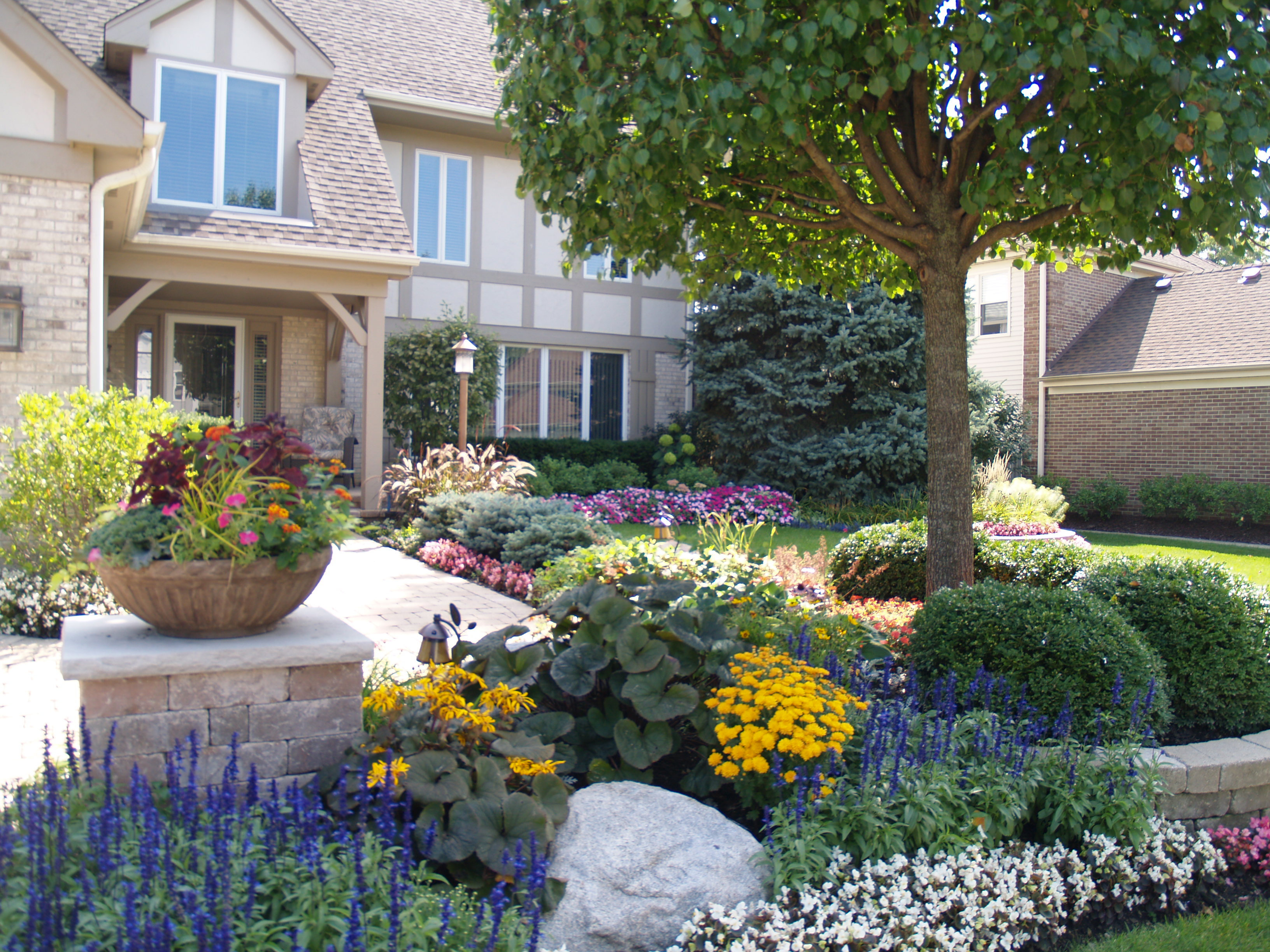
Here are some tips on how to create a more eco-friendly landscape in your own backyard:
1. Emulate nature: In nature, you will never find large areas filled exclusively with one or two species. Instead, plants tend to grow in communities consisting of several species that grow well together. (Permaculturists call these guilds.) For instance, you can pair a flowering crab with daffodils and other grass-suppressing bulbs, nitrogen-fixing clover to help reduce the need for fertilizer, and nearby flowering shrubs and herbs to provide color throughout the season as well as a habitat for insect-eating birds. It is harder for pests and diseases to overwhelm a mixed-species planting because many of these unwanted guests prefer only certain species, ignoring the rest.
The majority of plants found in most natural ecosystems are perennials. Perennial species that require minimal maintenance once established are a wise choice for landscaping as well. Choosing perennial species that do not compete with each other for light or nutrients ensures that each species will thrive with minimal input of fertilizer.

Replacing monoculture plantings with drifts of mixed perennials can reduce maintenance costs considerably in the long term. Replacing lawns with naturalized plantings can also reduce carbon emissions from lawnmower use.
2. Reduce, reuse, recycle: Another way to emulate nature is to eliminate as much waste from your backyard maintenance as possible.
Begin by planning your purchases carefully. Spending a little more on tools, equipment and garden features that last will mean that you ultimately send less material to the landfill. (You will probably save money in the long run, too, as well as getting more enjoyment out of your purchases.) Even garden plants represent an investment in energy — both your own and the fossil fuels used to transport them. Buy the healthiest plants you can find, or start your own. Once you’re done planting, save the pots to use again. If you don’t have room for them or don’t think you’ll need them, give them away or recycle them.
Reduce or eliminate your use of toxic chemicals by choosing organic methods when possible. Fertilizers and other products approved for organic use are readily available at most nurseries and landscaping supply stores.
Composting is another great way to reduce waste and recycle nutrients back into your yard. Many kinds of compost bins are available that blend unobtrusively into the landscape. If you do not have space to compost, you may have access to a municipal compost site. In addition to accepting your unwanted yard waste, many of these sites will allow you to haul away finished, soil-enriching compost for little or nothing.
Don’t forget that grass clippings are full of nitrogen and minerals, and make excellent mulch.
3. Go native: Choosing plants native to your area brings many benefits to your backyard landscape. Once established, native plantings require little or no supplemental watering, because they are already adapted to your climate. They also tend to grow well with minimal input, and they provide appropriate food and shelter for native wildlife.
Native plants are becoming increasingly available in nurseries. Wherever you are located, you are sure to find a selection of beautiful and useful native plants suitable for your area.
4. Mind your water: In many areas of the U.S., aquifers are being depleted more rapidly than they can be replenished. Any eco-friendly landscape should include features that use available water responsibly.
One way to do this is to reduce your need for water. Using native and/or drought-resistant stock is a good start. So is taking care to enrich your soil with organic matter such as compost. A soil high in organic matter retains moisture readily. Moisture control measures such as mulching and drip irrigation also help minimize water use.
Another excellent way to conserve water in your yard is by reusing water rather than pumping groundwater. Greywater — water that has been used once for laundry, light industry or other non-sewage uses, can be captured and used for landscape irrigation, although care must be taken to do so hygienically.
Significant amounts of rainwater can be collected in rain barrels from the roofs of nearby buildings. Gazebos and other garden structures also offer the opportunity to collect rainwater. Such systems can lend a quaint appeal to your yard when done tastefully.
You might also consider including a rain garden. This is a planted depression to which surface runoff from sidewalks and other hardscape elements is diverted. Rain gardens have been shown to reduce the amount of pollution reaching nearby streams by up to 30 percent.
5. Include features that help you and your family connect with nature: Encouraging an appreciation for and love of nature is one of the most important things we can do for the environment, because people like to take care of things they love. When you design your eco-friendly backyard, don’t forget to include features that encourage your family and friends to linger outside and observe nature.
One great way to do this is to include outdoor seating or even a gazebo or other small shelter into your yard’s landscape, so you and your family can relax and enjoy the scene you have created. Bird feeders and fishponds can also help your family and friends engage with the landscape.
As you can see, it is not difficult to incorporate eco-friendly features into your backyard landscape. Going green can actually save you money and reduce the amount of maintenance. It is also a great conversation starter — you can explain to your family and friends how your landscape puts you in partnership with nature.
About the author: Jeff Caldwell is Brand Manager of Superior Shelter in Carrollton, GA. Accepting shelter design challenges from designers, landscape architects, and architects around the world, Litchfield Landscape Elements creates custom shelters, gazebos and pergolas specific to your outdoor needs.