A hot topic of today is that of green energy. Solar, wind, and geothermal power are just some of the sources of energy that are considered green because of their low environmental impact and renewability. These resources are not only non-renewable, but are also environmentally unfriendly because they contaminate the air and can destroy habitats. Green energy is the right approach for the energy industry to do its part in protecting the environment.

There are a number of ways that you as a homeowner can work to support these trends. Applying sustainable practices to your home living is a great way to help our country shift away from its dependence on fossil fuels. And while some projects may require the help of an outside worker, there are a number of simple things you can do yourself to help your home become greener.
1. More homes install solar panels
NBC News reports that solar energy prices are decreasing. This makes solar energy an increasingly attractive option for homeowners and companies. Furthermore, the federal government and some local governments support solar energy by offering financial incentives for qualifying homeowners. And while this may be something you’d prefer to trust to a professional solar panel installer, it is possible to handle this task yourself in just five steps, according to CleanTechnica.
2. Cars will become cleaner
At the minute, Americans largely depend on oil for transportation. Gasoline that goes into cars consists mainly of petroleum, which is an oil product. Standard combustion engines use gasoline and produce carbon emissions that can contribute to climate change. The US Department of Energy Office of Energy Efficiency and Renewable Energy is working to reduce carbon emissions and oil use.
Depending on where you live, it’s likely that your family has at least one car. Purchasing a car that gets better gas mileage is one way in which you can reduce your carbon footprint. There are also hybrid and plug-in electric cars, which are cleaner, and are becoming more popular. The use of biofuels as an alternative energy source is cleaner than petroleum, but still contributes to air pollution.
If you want to really take matters into your own hands, there are affordable ways to build your own electric car, according to Treehugger.com. And of course, utilizing public transit, carpooling, and biking and walking when possible are all excellent green alternatives.
3. Energy-efficient installations are becoming the norm
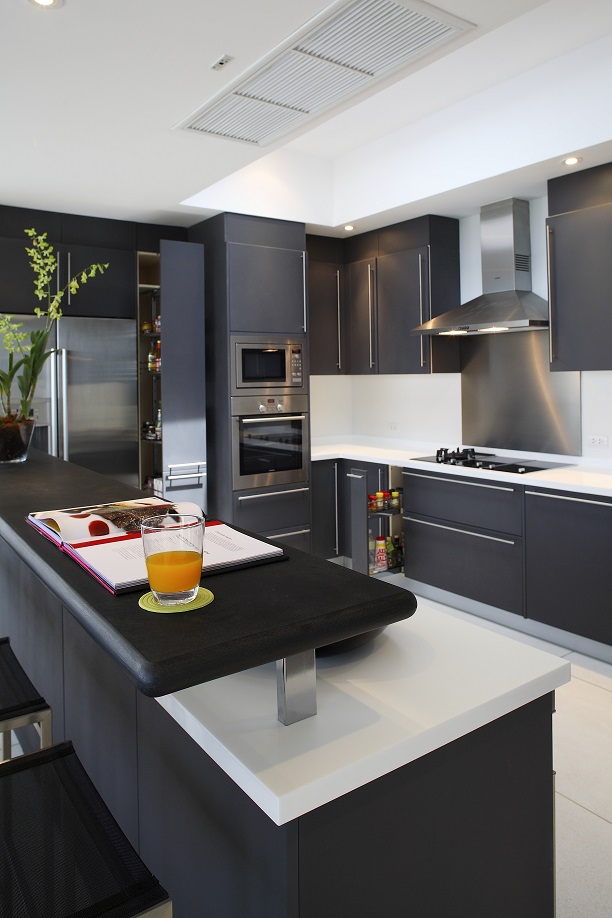
Many new appliances, new buildings, and other projects are designed to be energy efficient. Appliances may use less energy, and HVAC systems installed during construction may be more efficient. Many also revamp older buildings with less wasteful systems.
The energystar.gov website lists criteria for Energy Star certification for energy-efficient appliances, such as washing machines, air purifiers, refrigerators, and dishwashers. You can also find guides to creating your own more energy-efficient kitchen on DIY Network.
4. Home energy efficiency goes DIY
The options for energy-efficient home improvements are abundant. Energy-efficient windows and roofs can trap heat in the winter and prevent heat from coming inside during the winter. Energy efficient appliances can save energy and also money from lower operating costs. If you have the time to dedicate to home improvement, you can learn how to seal and insulate yourself, and perform energy audits on your own house.
5. Geothermal energy will contribute a greater proportion of energy
Geothermal energy is the energy that comes from hot springs and natural steam vents. Although geothermal energy met less than 1 percent of the world’s energy demands in 2009, the industry is growing quickly. According to RSI, geothermal energy may contribute 10 to 20 percent of the world’s energy supply by the middle of the 21st century. Iceland leads the way, with a quarter of its electricity coming from geothermal energy.
The technology can potentially be cost-effective because their operating costs are only one-fifth those of electric furnaces. Additionally, homeowners can receive tax credits for installation of geothermal energy systems, and save money on their operating costs compared to heating and air conditioning their homes using traditional systems.