For some, spring is seen as nothing more than a three-month warm up for summer. Not for green thumbs. For them, spring is when they can finally break out the landscaping tools and get to work. Here are some early season tips to help you get your lawn and garden ready for summer.
Prep You Lawn
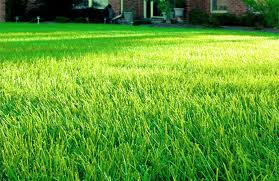
Image Credit: www.bobvila.com
Life isn’t easy for your lawn during the winter. Whether getting dumped on by snow, or simply not getting any moisture, your lawn takes a beating. Early spring is the perfect time to rake up all the dead growth, as well as any leaves or branches that may have fallen over the winter. Doing so will help the lawn grow by bringing light and air to it. Deal with bare spots by sprinkling a mixture of grass seed and soil over them. Water until the grass is established.
Check Soil pH
If you’re a casual gardener or simply new to the game, hearing the word “pH” might make you question your decision not to pay attention during high school chemistry. Why is you lawn’s pH level important? Most grass grows best in slightly acidic soil (soils with a pH of 6.0 and 7.0). The lower the pH number, the higher the acidity. Acidic soil makes your grass less tolerable to heat stress, decreases pest and disease resistance, and generally impedes healthy growth. To ensure proper pH levels, test your soil’s acidity with a pH testing kit (available at most home and garden centers). If the levels come back low, you can bump up the pH level by adding lime to your lawn. A word of warning: too much lime can damage your lawn so make sure you apply the correct amounts.
Plant Early Spring Veggies
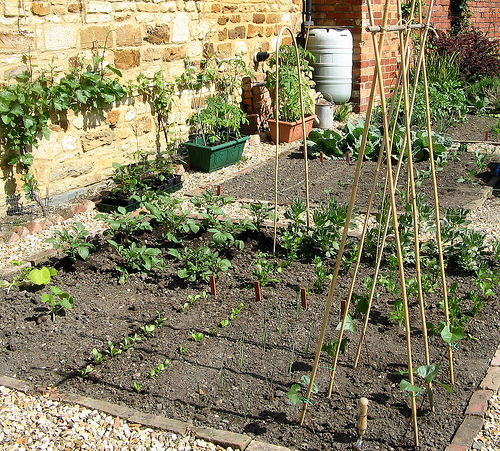
Image Credit: tipstogrowyourownfood.com
Certain veggies need to be planted in early spring. So if want to make fresh salads with homegrown lettuce, spinach, or peas, you need to get those seeds in the ground as soon as the soil is ready. How do you know it’s ready? If it is free of ice crystals and easily crumbles, it’s good to go.
Protect Seedlings from Frost
When you spend the time, energy, and money getting your lawn and garden prepped for summer, the last thing you want to have happen is to lose any seedlings to frost. If the forecast calls for frost make sure you cover the seedlings overnight. Buckets, cardboard, and blankets all work fine. If you’re really into gardening and you’ve got the budget you might want to invest in a cold frame or starter greenhouse.